See How Arts Convey the Message of Faith
- thesoulsofthearts
- Mar 18
- 5 min read

Art has always been a powerful medium for expressing complex ideas, emotions, and beliefs. Among these, the message of faith stands out as a profound theme that resonates across cultures and time periods. From ancient sculptures to modern paintings, the arts have served as a conduit for spiritual expression, allowing individuals to explore and communicate their beliefs in a tangible form. In this blog post, we will delve into how various art forms convey messages of faith, highlighting specific examples and their significance.

The Role of Visual Arts in Faith
Visual arts, including painting, sculpture, and architecture, have long been associated with religious expression. These forms of art not only beautify sacred spaces but also serve as storytelling devices that convey spiritual narratives.
Painting
Throughout history, painting has been a primary medium for depicting religious themes. Artists like Michelangelo and Leonardo da Vinci created masterpieces that illustrate biblical stories, making them accessible to the masses. For example, Michelangelo's Creation of Adam on the ceiling of the Sistine Chapel captures the moment of divine creation, inviting viewers to reflect on their relationship with God.
Sculpture
Sculpture also plays a significant role in conveying faith. Statues of saints, angels, and religious figures are often found in churches and cathedrals, serving as focal points for worship and contemplation. The Pietà by Michelangelo is a poignant example, depicting the Virgin Mary holding the lifeless body of Jesus. This sculpture evokes deep emotions and invites viewers to engage with themes of sacrifice and redemption.
Architecture
The architecture of religious buildings is another powerful expression of faith. Gothic cathedrals, with their soaring spires and intricate designs, are designed to inspire awe and elevate the spirit. The Notre-Dame Cathedral in Paris, with its stunning stained glass windows and detailed sculptures, serves as a testament to the devotion of its creators and the faith of its worshippers.
The Impact of Literature on Faith
Literature, including poetry, prose, and sacred texts, has also played a crucial role in conveying messages of faith. Through storytelling and written word, authors have explored the complexities of belief, morality, and spirituality.
Sacred Texts
Sacred texts, such as the Bible, the Quran, and the Bhagavad Gita, are foundational to many faiths. These texts provide guidance, moral teachings, and insights into the nature of the divine. They are often studied, recited, and interpreted, allowing believers to connect with their faith on a deeper level.
Poetry
Poetry has a unique ability to express the ineffable aspects of faith. Poets like John Donne and Rumi have used their craft to explore themes of love, devotion, and the divine. Rumi's poetry, for instance, transcends cultural boundaries, inviting readers to experience a profound connection with the divine through love and longing.
Prose
In addition to poetry, prose works such as novels and essays can also convey messages of faith. Authors like C.S. Lewis and Toni Morrison have explored spiritual themes in their writings, prompting readers to reflect on their beliefs and the human experience. Lewis's Mere Christianity offers a rational exploration of Christian faith, while Morrison's works often delve into the intersection of faith, identity, and community.
The Influence of Music on Faith
Music is another powerful art form that conveys messages of faith. From hymns and chants to contemporary spiritual songs, music has the ability to evoke emotions and foster a sense of community among believers.
Hymns and Chants
Traditional hymns and chants have been integral to worship for centuries. They serve as a means of expressing devotion and reinforcing communal beliefs. The Gregorian chant, for example, is a form of plainchant that has been used in Christian liturgy for centuries, creating a meditative atmosphere that enhances spiritual reflection.
Contemporary Spiritual Music
In recent years, contemporary spiritual music has gained popularity, with artists like Lauren Daigle and Chris Tomlin creating songs that resonate with modern audiences. Their music often addresses themes of hope, redemption, and personal faith, making spirituality accessible to a broader audience.
The Power of Lyrics
The lyrics of spiritual songs often convey profound messages of faith, encouraging listeners to reflect on their beliefs and experiences. For instance, the song "Oceans" by Hillsong United speaks to themes of trust and stepping out in faith, resonating with many who face challenges in their spiritual journeys.
The Intersection of Faith and Performance Arts
Performance arts, including theater and dance, also serve as powerful mediums for expressing faith. Through storytelling and movement, these art forms can convey complex spiritual themes and invite audiences to engage with their beliefs.
Theater
Theater has a long history of exploring religious themes. Productions like "Godspell" and "Jesus Christ Superstar" reinterpret biblical stories, making them relevant to contemporary audiences. These performances often encourage reflection on faith, morality, and the human experience.
Dance
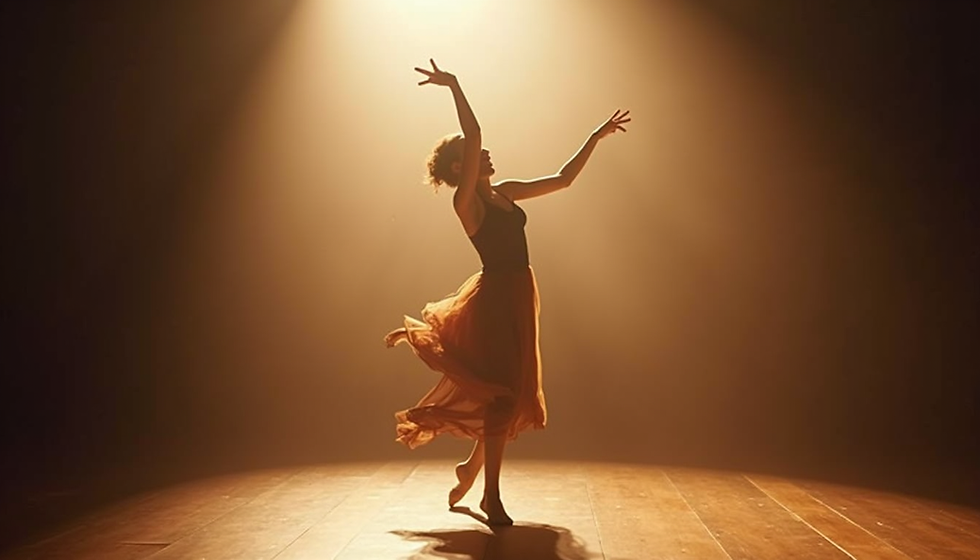
Dance can also be a form of spiritual expression. Many cultures incorporate dance into their religious practices, using movement to convey devotion and connect with the divine. For example, the Sufi whirling dance is a form of meditation that seeks to achieve spiritual ecstasy and union with God.
The Role of Art in Community and Faith
Art not only conveys individual messages of faith but also fosters a sense of community among believers. Through shared artistic experiences, individuals can connect with one another and strengthen their faith.
Community Art Projects
Community art projects, such as murals and installations, often reflect the values and beliefs of a particular faith community. These projects can serve as a means of bringing people together, fostering dialogue, and promoting understanding.
Art in Worship
In many religious traditions, art plays a central role in worship. From the use of candles and incense to the display of religious icons, these elements enhance the worship experience and create a sacred atmosphere.
Art as a Tool for Outreach
Art can also be a powerful tool for outreach and evangelism. Churches and faith-based organizations often use art to engage with their communities, inviting individuals to explore faith in a creative and accessible way.
Conclusion
The arts have a unique ability to convey messages of faith, transcending cultural and linguistic barriers. Through visual arts, literature, music, and performance, individuals can explore and express their beliefs in profound ways. As we engage with these artistic expressions, we are invited to reflect on our own faith journeys and the shared human experience. Whether through a powerful painting, a moving song, or a thought-provoking poem, the arts continue to inspire and connect us to the divine.
As you explore the world of art, consider how it speaks to your own beliefs and experiences. What messages of faith resonate with you? How can you use art to express your spirituality? Embrace the power of creativity and let it guide you on your journey of faith.


Comments